


What is a keynote at a conference, and who gives it?
The keynote is the main talk at a conference, given to all participants at once, because no other item in the program runs at the same time. It usually opens or closes a conference day, lasts thirty to sixty minutes and is awarded directly by the organizer. The person on stage is mostly someone whose name alone in the program already attracts participants: well-known practitioners, researchers, authors and occasionally a representative of the main sponsor. For consultants and business owners looking for new clients on expert stages, this slot is a mark of standing, while the best conversations usually happen in the smaller rooms.
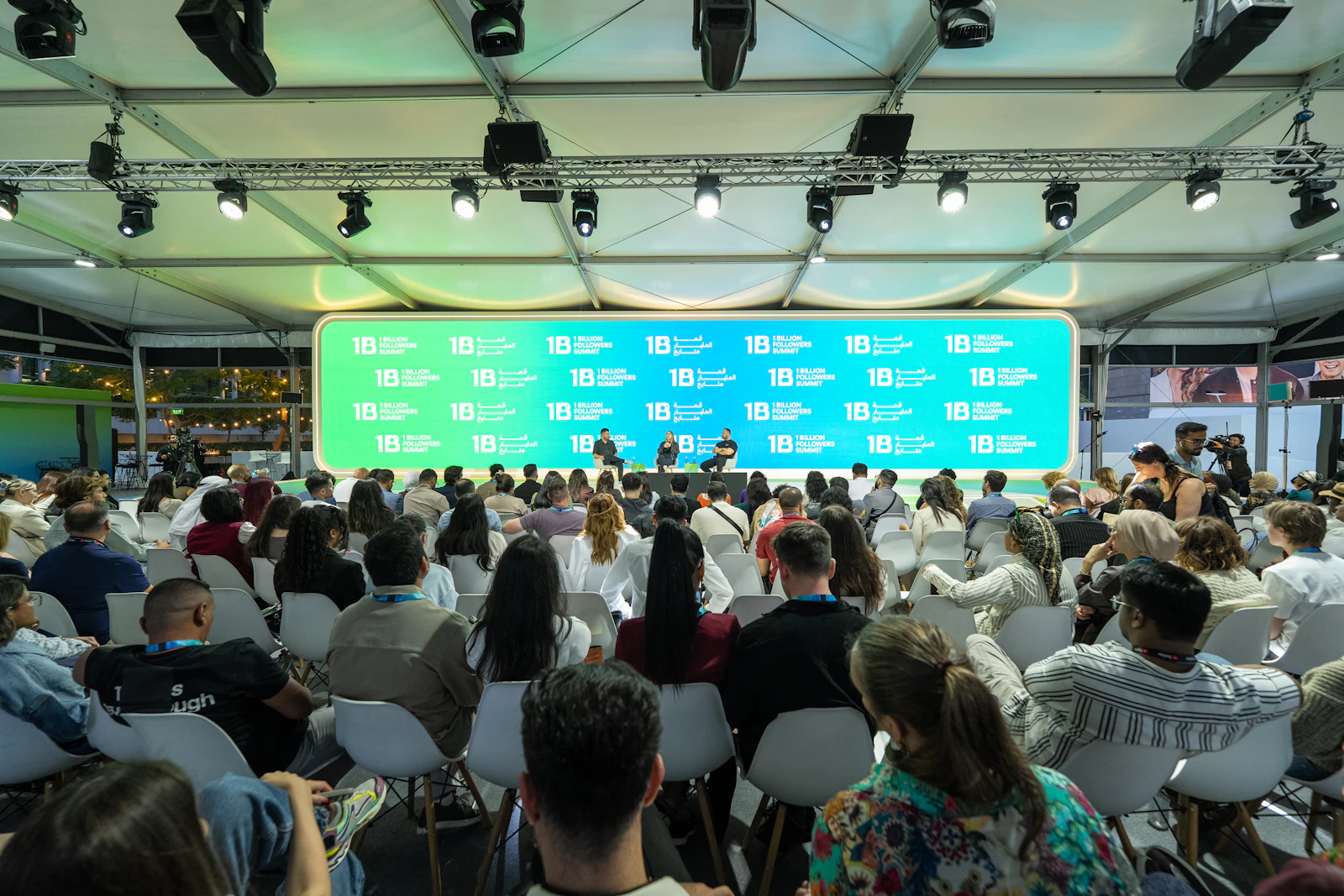
The keynote is the main talk at a conference, given to all participants at once, because no other item in the program runs at the same time. It usually opens or closes a conference day, lasts thirty to sixty minutes and is awarded directly by the organizer. The person on stage is mostly someone whose name alone in the program already attracts participants: well-known practitioners, researchers, authors and occasionally a representative of the main sponsor. For consultants and business owners looking for new clients on expert stages, this slot is a mark of standing, while the best conversations usually happen in the smaller rooms.
What is a keynote at a conference?
A keynote is the program item for which a conference closes all parallel rooms and brings its entire audience into one hall. An industry conference is an event for a professional audience, built around a curated program of talks. This program consists of time windows known in the trade as slots, and in most slots several talks run in parallel in different rooms, sorted into thematic strands that appear as tracks in the printed program. The keynote slot suspends this order: for half an hour to a full hour, everyone sits in the largest room, and what is said there is heard by every participant.
This slot has a dramaturgical job. The opening keynote sets the tone for everything that follows, names the question around which the rest of the event is meant to revolve, and brings a few hundred people who have just traveled in out of arrival mode and into a shared state of mind. The closing keynote works in the other direction, because after a day full of detailed sessions it widens the view again and sends people home with a thought that is bigger than any single session before it.
This determines the thematic approach. A keynote is broader than the rest of the program, because newcomers sit in the room alongside people with twenty years of professional experience, and both groups should take something away. It poses the question that the sessions of the day go on to work through and leaves the depth of expertise to the specialized talks in front of a self-selected expert audience.
Who gives a keynote, and how is it awarded?
A keynote is given by whoever the organizer approaches directly, because their name sells tickets or because they are best placed to set the conference's question. Most talks at a conference, by contrast, come about through the call for papers, the public call through which an organizer collects talk proposals, and the selection there is made by a program committee, the group of experts who put the program together.
The reason for direct awarding is economic. The name on the keynote stage appears in the announcement, in the advertising and in every email the organizer sends to sell tickets, so it has to mean something beyond the narrow circle of insiders. In practice, speakers come from four directions: from the industry itself, where someone has shaped a development that affects everyone in the room, from research and publishing, where a book or study is currently setting the terms of the debate, from a company that co-funds the event as main sponsor and receives stage time in return, and less often from a person who stood out so much in the regular program the previous year that the organizers bring them to the front.
Keynotes are the program slot most likely to be paid. Commercial industry conferences pay keynote speakers a fee, and big names come through speaker bureaus, which take a commission of 20 to 30 percent. Community and association conferences usually cover only travel and accommodation, even for the keynote. In the German-speaking market, fees are €1,000 to €3,000 for newcomers, €3,000 to €6,000 for established experts, €6,000 to €15,000 for well-known keynote speakers and €15,000 to €50,000 or more for celebrities.
What does keynote mean in German?
In German, a keynote is called a Hauptvortrag or Leitvortrag, meaning main talk, and in English the term originally refers to the keynote that sets the tone of an event. The translation as Grundsatzrede, a policy speech, fits political usage, whereas in a conference program the main talk is meant. In everyday German the word has also become associated with a profession: the paid speaker who appears at corporate events for a fee, gets the audience in the mood and then moves on. This image comes from a separate market with its own intermediaries and its own prices.
Keeping the two meanings apart matters more for consultants and business owners than it sounds, because otherwise the wrong goal emerges: the fee for stage time instead of the contract that grows out of a conversation after the session. For experts with their own offering, a single contract from a talk is worth more than any speaking fee, which is why Stage Starter brings them onto industry stages where their clients sit. Why the paid speaking business is the wrong goal for most experts is explained in the article on the paid keynote as a career path.
What is the difference between a keynote and a talk?
A keynote addresses the entire audience with no parallel program, while a talk is given to the people who have actively chosen that room. The regular talk slot, often called a breakout in the program, lasts twenty to forty-five minutes and runs in parallel with other sessions. A talk audience brings prior interest and is smaller for it, while in the keynote room everyone is present, though some of them only because the schedule led them there.
This has several consequences for preparation. A keynote assumes no prior knowledge, because nobody in the room may be left behind, and it concentrates on a single message, because a broad audience will remember only one. The margin for error is lower than anywhere else in the program, since a failed talk in the third track is noticed by twenty people, a failed keynote by six hundred, and the organizers are sitting in the front row. Then there is the recording, which almost always runs on big stages. How the other formats compare, from the short lightning session to the full-day workshop, is shown in the overview of formats at a conference.
Why the largest room rarely brings the best conversations
Above a certain room size, reach and the quality of conversations diverge at a conference. In a well-attended specialist track there are eighty people who actively chose your topic, and a noticeable share of them are working on the very problem you have just talked about. After the session, five or six of them are standing at the front by the stage, and the conversations are short and still concrete, because both sides know what it is about.
After a keynote, the room empties into a break in which six hundred people all want coffee at the same time, the organizers take you aside, and the people who approach you are a broad mix of the interested, the curious and vendors with their own agenda. You get more contacts, a smaller share of whom are a good fit for you. Why the size of an audience says little about its business value is described in the article on the audience at industry conferences.
The value of the keynote lies in standing, and standing has its effect at a particular point in the sale: a decision-maker who has seen you in front of six hundred experts gets straight to their own problem in the first conversation instead of testing your expertise. A large part of the trust-building is done before the first meeting begins.
What the slot means for your own path
For consultants and business owners, the route to clients runs through the regular talk slots that a conference advertises publicly. The keynote requires standing that you must have built beforehand and stage experience that can be acquired in normal slots. A regular talk in front of a self-selected expert audience gets you into conversations in the same week with people who know your problem area first-hand, while the big stage mainly builds up trust for later. Smaller industry conferences and association meetings often give their opening slot to practitioners without a big name, because fit with the content is what counts.
Stage Starter takes this work off your hands: we find the right calls, write the submission and submit it, follow up and support you all the way to the stage. You provide your expertise and approve, and working together starts from $999 net per month. Which steps are involved on the way to becoming a speaker is set out in the guide to becoming a speaker.
When you read a conference program, look less for the biggest stage than for the details that reveal who is in the room: how many sessions run in parallel, how narrowly the thematic strands are defined and which roles the announced participants hold. Two conferences with the same word in their schedule can mean completely different rooms, six hundred people from five industries in one case and one hundred and twenty experts who have known each other for years in the other, and for a consultant the second room is almost always the more valuable one.
Frequently asked questions
What is a keynote in German: Hauptvortrag or Grundsatzrede?
At a conference, the German term for a keynote is Hauptvortrag or Leitvortrag, the main talk. Grundsatzrede is the translation used in politics, for instance for the programmatic speech at a party conference. In the program of an industry conference, keynote almost always means the main talk in front of all participants.
Can I apply for a keynote?
As a rule you do not apply for a keynote through the call for papers, because organizers award it directly. Calls list talk, workshop or short format as options. With smaller conferences it is worth asking the people responsible for the program directly, because they are more often looking for a suitable opening than for famous names.
Is a keynote at an industry conference paid?
Commercial industry conferences pay keynote speakers a fee, while community and association conferences usually cover only travel and accommodation. Regular fees are also paid at customer days and partner events run by companies that pay for such appearances out of a marketing budget. Regular talk slots at industry conferences are generally unpaid.
What does a keynote speaker earn?
A well-known keynote speaker in the German-speaking market earns €6,000 to €15,000 per appearance, and celebrities €15,000 to €50,000 or more. Newcomers are at €1,000 to €3,000, established experts at €3,000 to €6,000, and speaker bureaus keep a commission of 20 to 30 percent. How speakers are paid in detail is explained in how do speakers get paid?.
How long is a keynote?
A keynote lasts thirty to sixty minutes, with forty to forty-five being the most common format. Whether a Q&A is included is stated in the organizer's briefing. It is often dropped for openings, because otherwise the day's schedule falls apart.
What do Opening Keynote and Closing Keynote mean?
Opening Keynote and Closing Keynote are positions in the schedule. The Opening Keynote opens the event and poses the question that the following sessions are meant to address, and the Closing Keynote comes at the end and widens the view again after a day full of individual topics. Both are given on the main stage, with nothing else running at the same time.
How do I become a keynote speaker?
You become a keynote speaker when your name is so well known for a topic that organizers approach you directly. The route there runs through regular talk slots, a book or study, reference videos and presence in the media of your own field. For experts who want to win clients, the regular slots are the actual goal, because that is where their clients sit.
From main talk to the right room
The most valuable place in the program is the one where your target clients sit in the room. Which industry stages that applies to for your topic is something we clarify in an initial consultation.

Marin Niehues is a management consultant and international speaker. With Niehues Consulting he works with organisations from scale-ups to DAX 40 corporations, and on stage he has spoken at more than 45 conferences in 23 countries.
All articles by Marin Niehues